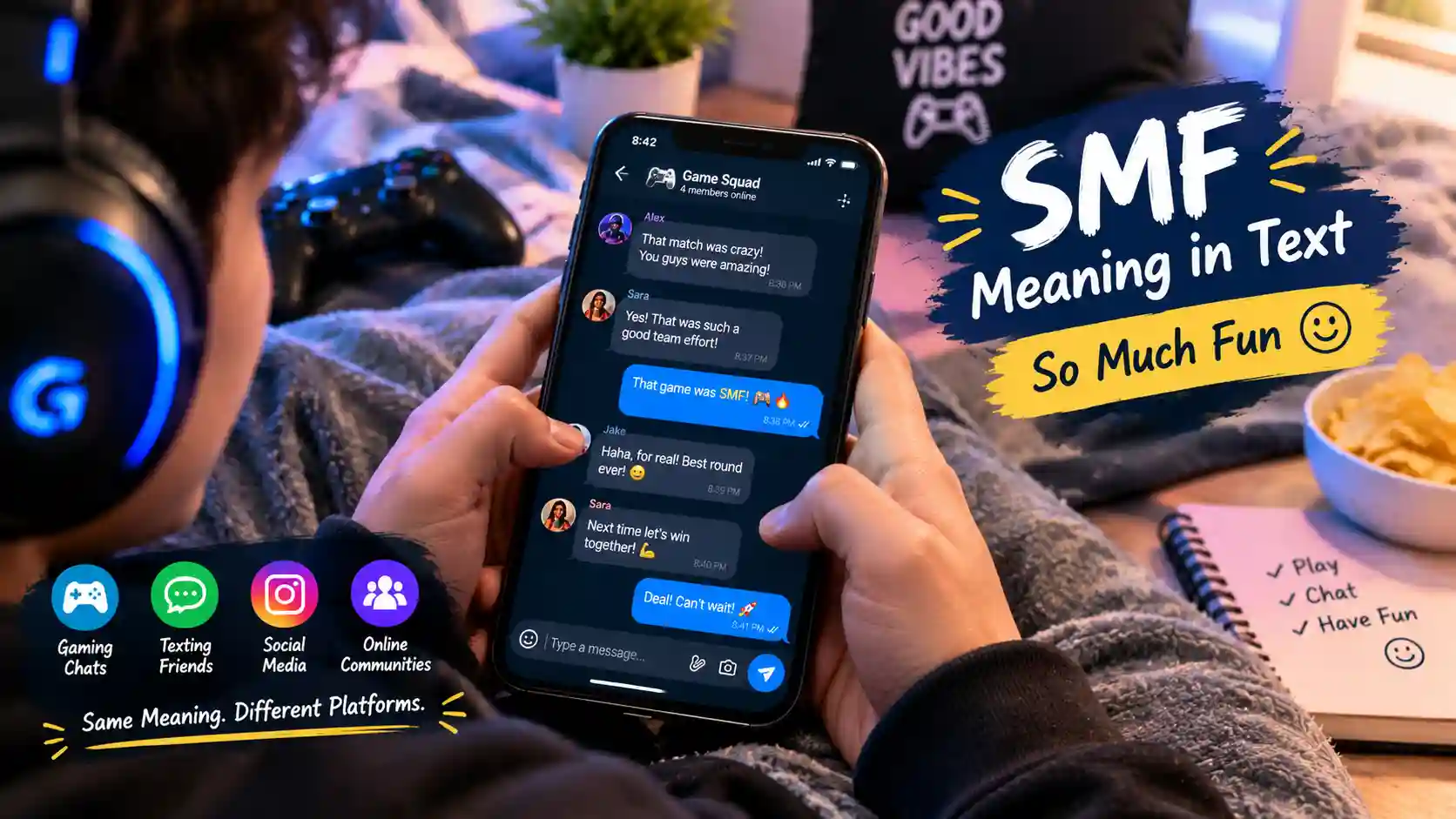
You are texting a friend. They send you a plan for the weekend. You reply: “SMF!” They smile and reply back. No confusion. No questions.
SMF is a short text acronym. It usually stands for “So Much Fun.” People use it to react to plans, photos, memes, or stories that sound exciting or enjoyable.
You will see it in texts, on social media, in group chats, and even in gaming lobbies. It is short, easy to type, and full of good energy.
Text slang like SMF moves fast. New shortcuts pop up every year. Some stick around. Some fade out. Knowing what they mean helps you keep up with friends, family, and coworkers who use them. It also helps you avoid replying with the wrong tone.
This guide breaks down everything about SMF. You will learn what it means, where it came from, how people use it today, and how to reply when someone sends it to you.
Definition & Meaning
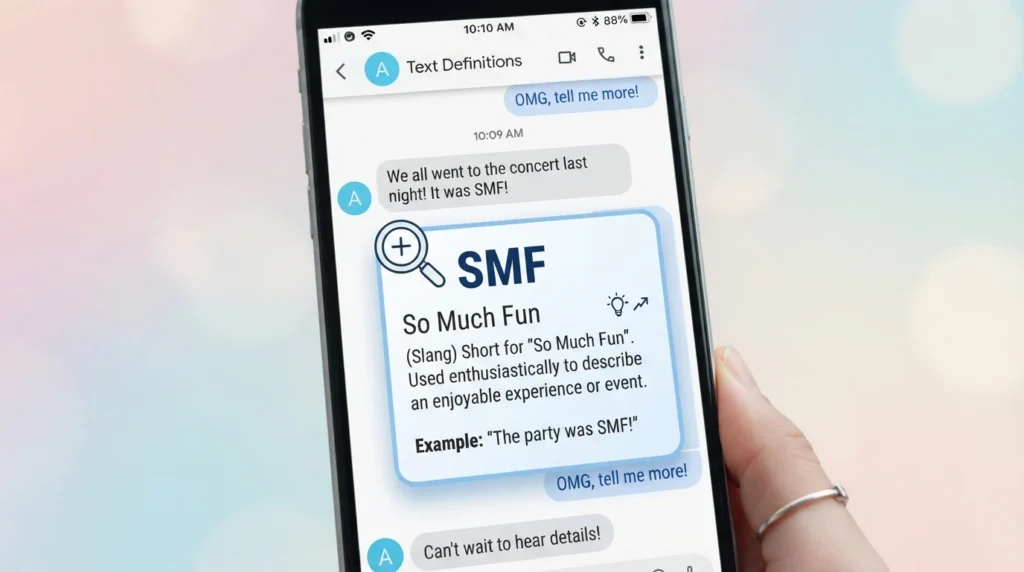
It is a short reaction. People type it when something sounds exciting, happy, or worth doing again.
It works as a stand-alone reply. It also works inside a longer sentence.
Example texts:
Mia: We’re doing a bonfire and s’mores tonight. Jake: SMF! I’m in.
Priya: That escape room took us 40 minutes to finish. Sam: That sounds like SMF, ngl.
Group chat: Beach day Saturday? 🏖️ Reply: SMF, count me in!
Some people write it in lowercase (“smf”) for a more casual feel. Others use full caps to show excitement. Both are common. Tone comes from context, not capitalization rules.
A quick note on other meanings. SMF is not tied to one single meaning everywhere online. A few other uses exist:
- Simple Machines Forum a piece of free forum software many older websites still run on. People who manage online communities may use “SMF” this way.
- Single-mode fiber a technical term in networking and electronics, referring to a type of fiber-optic cable.
- So Much Food an alternate reading some people use when reacting to a big meal or buffet photo.
These meanings live in different worlds. A gamer texting “SMF” after a fun match almost certainly means “So Much Fun.” A network engineer writing “SMF” in a technical thread means something else entirely. Context is everything.
Compared to bigger acronyms like LOL or OMG, SMF is smaller and less universal. Not everyone will recognize it right away. That is worth keeping in mind if you use it with someone new.
Background & History
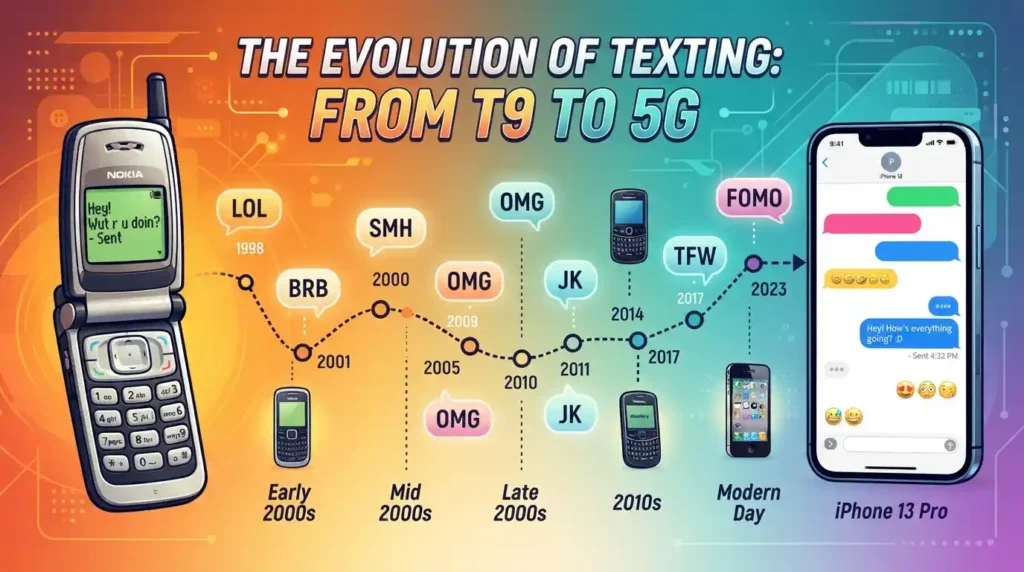
Text slang exploded with the rise of SMS messaging in the late 1990s and early 2000s. Phones had tiny keyboards. Character limits were tight. People needed shortcuts.
Acronyms like LOL, BRB, and TTYL became common first. They saved time and effort. As texting habits grew, people started building new shortcuts for more specific feelings, not just laughter or waiting.
SMF grew out of that same need: a quick way to say something felt fun or exciting, without typing the whole phrase. It follows the same pattern as older acronyms like NBD (“no big deal”) or TBH (“to be honest”). Take a common phrase, keep the first letters, and drop the rest.
The phrase “so much fun” itself is not new. People have said it out loud for decades. What changed is how it got compressed for typing.
Social media pushed the shortcut further. Character limits on early Twitter (now X) rewarded short replies. Comment sections favored quick reactions over full sentences. Acronyms like SMF fit that style well.
Gaming culture added another push. Fast-paced games leave little room for typing during a match. Players need short phrases they can type between rounds or in a chat window without losing focus. “SMF” fits that space quick to type, easy to read, clear in tone.
Today, SMF shows up most in casual, informal spaces. It has not crossed into formal writing, news reporting, or business communication in any meaningful way. It stays where it started: friend groups, gaming chats, and social media comments.
Its use has not shifted much over time compared to some slang terms that changed meaning completely. SMF has mostly kept its light, positive tone since it first started appearing in casual text.
Usage in Various Contexts
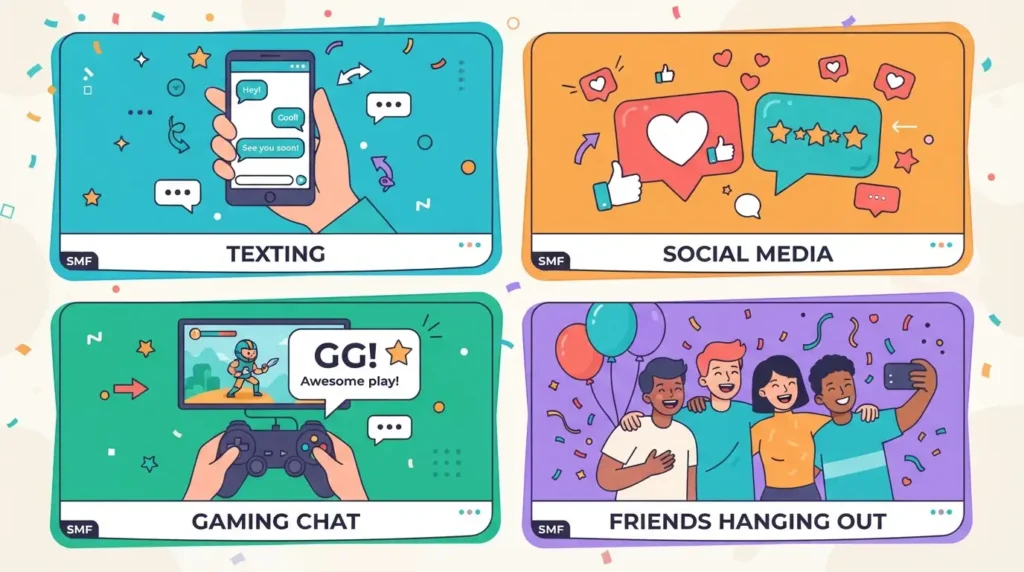
SMF shows up across several types of digital communication. The tone stays mostly the same light, positive, and casual but the setting changes how it gets used.
In texting between friends:
Leo: Movie night was SMF. We need to do that again. Ava: Agreed! Next week?
On social media comments:
Comment under a vacation photo: “This looks like SMF!! Take me with you next time 😭”
In gaming chat:
Player 1: gg that round was SMF Player 2: fr, let’s queue again
In group chats planning events:
Text thread: “Road trip idea for spring break?” Reply: “SMF if we actually go through with it lol”
As a caption or hashtag:
Some people use it as a short caption under photos or videos: “SMF with the crew this weekend 🎉”
Notice the pattern. SMF almost always reacts to something that already happened, or reacts to a plan that sounds appealing.
People often pair it with 🎉, 😂, or 🔥 to boost the excited tone. This pairing makes the meaning even clearer to someone unfamiliar with the acronym, since the emoji carries emotional context on its own.
SMF is less common in voice-based platforms like Discord voice chat or podcasts, since it is a written shortcut, not a spoken phrase. You will not usually hear someone say “S-M-F” out loud. It stays a text-first expression.
Common Misconceptions & Clarifications
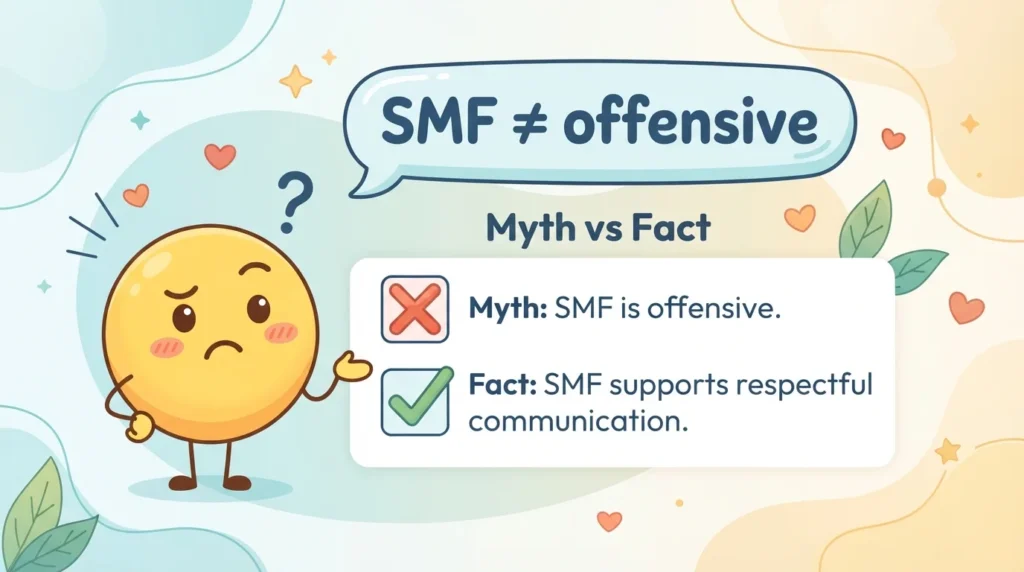
Because SMF is a small acronym, it invites confusion. A few common misunderstandings are worth clearing up.
Misconception 1: SMF always means the same thing everywhere. Not true. As covered earlier, “Simple Machines Forum” and “single-mode fiber” are real, established meanings in tech spaces. If someone in a forum admin group says “we run on SMF,” they are not talking about fun they mean the software.
Misconception 2: SMF is offensive or inappropriate. This is one of the more common questions people ask. In its most popular texting form (“So Much Fun”), SMF carries no offensive or sexual meaning. It is a wholesome, upbeat acronym. There is no widely recognized crude or inappropriate definition tied to it the way some other three-letter acronyms carry double meanings.
Misconception 3: It can be used sarcastically without any signal. People do sometimes use SMF sarcastically, to mean the opposite implying something was not fun at all.
Text: “Sat in traffic for three hours today. SMF 🙃”
The sarcasm usually comes through with an emoji, punctuation, or the surrounding sentence. Without those clues, SMF defaults to its sincere, positive meaning.
Misconception 4: Everyone knows what it means. SMF is not as widely known as LOL, BRB, or OMG. Many people, especially outside certain age groups or online circles, may not recognize it at all. If you use it with someone unfamiliar, be ready to explain or spell it out.
Misconception 5: It only works as a single word. SMF can act as an adjective too, describing an event or activity as fun:
“That was such an SMF night.”
This flexible use is common in casual writing, even if it bends grammar rules a little. Text slang often does.
Similar Terms & Alternatives
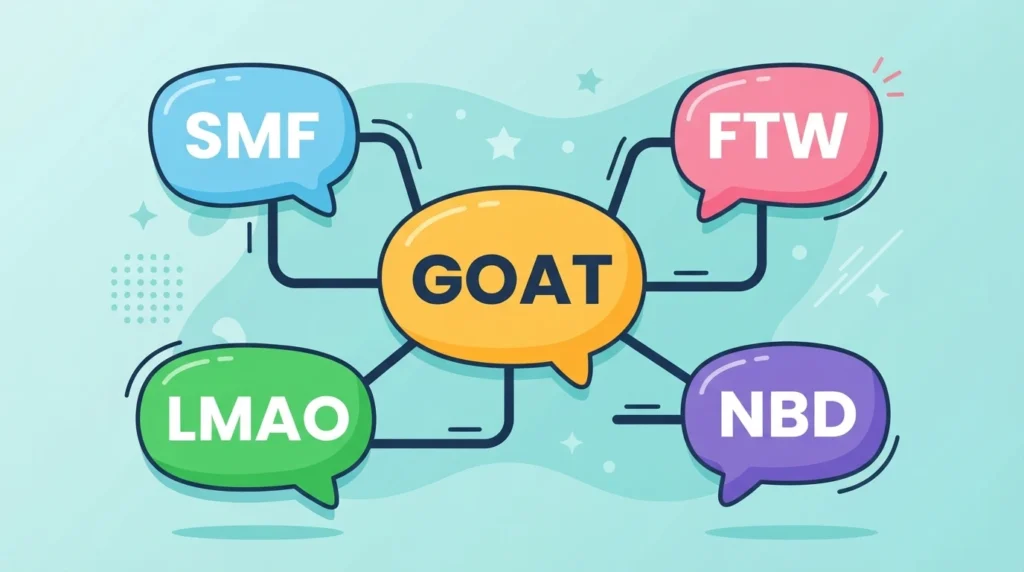
Many acronyms express similar excitement or approval. Here is how SMF compares to some common alternatives.
| Acronym | Meaning | Typical Tone |
| SMF | So Much Fun | Light, upbeat, casual |
| FTW | For The Win | Celebratory, triumphant |
| LMAO | Laughing My *** Off | Amused, often at something funny |
| TFTI | Thanks For The Invite | Grateful, social |
| GOAT | Greatest Of All Time | Praise, admiration |
| NBD | No Big Deal | Casual, dismissive of stress |
| IYKYK | If You Know You Know | Inside joke, shared context |
| W | Win | Short praise for a good outcome |
How SMF stands apart: Unlike FTW or W, which highlight winning or success, SMF focuses purely on enjoyment. Something does not need to be a competition or achievement to be “SMF” a quiet evening with friends counts just as much as a wild party.
Compared to LMAO, SMF is not about laughter specifically. It is broader it can describe an entire experience, not just a funny moment.
Some people also use full phrases instead of the acronym, especially in more formal-but-still-casual writing:
- “That was a blast.”
- “Had the best time.”
- “So fun.”
- “Loved every second of it.”
These alternatives work well when writing to someone who might not recognize SMF, such as an older relative or a new coworker in a casual Slack channel.
How to Respond to This Term

Replying to SMF depends on the setting and your relationship with the person. Here are a few response styles.
Casual response (with friends):
“SMF fr, we need a repeat.”
Funny or playful response:
“SMF? More like SMFOREVER, I’m still thinking about it 😂”
Short and simple response:
“Right?? So fun.”
Professional or neutral response (if it shows up in a casual work chat):
“Glad it went well! Sounds like a great time.”
Privacy-conscious response (if you’d rather not share details):
“Ha, it was a good time! Can’t say much more than that 😄”
If you don’t understand it:
There is nothing wrong with asking. A simple reply works fine:
“Lol what does SMF mean?”
Most people will explain it without any awkwardness. Text slang changes often, and asking keeps communication clear.
In professional settings, it is best to avoid SMF altogether unless the workplace culture is very casual (some startups, gaming companies, or younger teams might use it). If a coworker sends it, mirroring their tone with a neutral, friendly reply keeps things comfortable without forcing formality into a casual moment.
Regional or Cultural Differences

SMF is mostly an English-language internet acronym. It does not have strong regional slang variations the way some terms do (for example, “cheers” versus “thanks” across English dialects).
That said, a few patterns are worth noting:
- United States: SMF appears often in texting among teens and young adults, especially tied to social plans, parties, or gaming.
- United Kingdom: Less common, though understood in similar internet-savvy circles. British slang tends to favor phrases like “well fun” or “proper laugh” instead.
- Non-English-speaking countries: SMF is not a global acronym like LOL, which has been absorbed into many languages. It stays largely within English-language texting and social media.
Because SMF overlaps with “Simple Machines Forum” in tech spaces, some non-English forum communities (especially in Eastern Europe and parts of Asia, where SMF-based forums remain popular) may use “SMF” strictly in that technical sense, with no connection to “fun” at all.
Cultural context also shapes how often it is used. Gaming communities, which are often global and English-dominant in chat, tend to spread acronyms like SMF faster than general social media, since players from different countries pick up shared shorthand through repeated exposure.
Comparison with Similar Terms
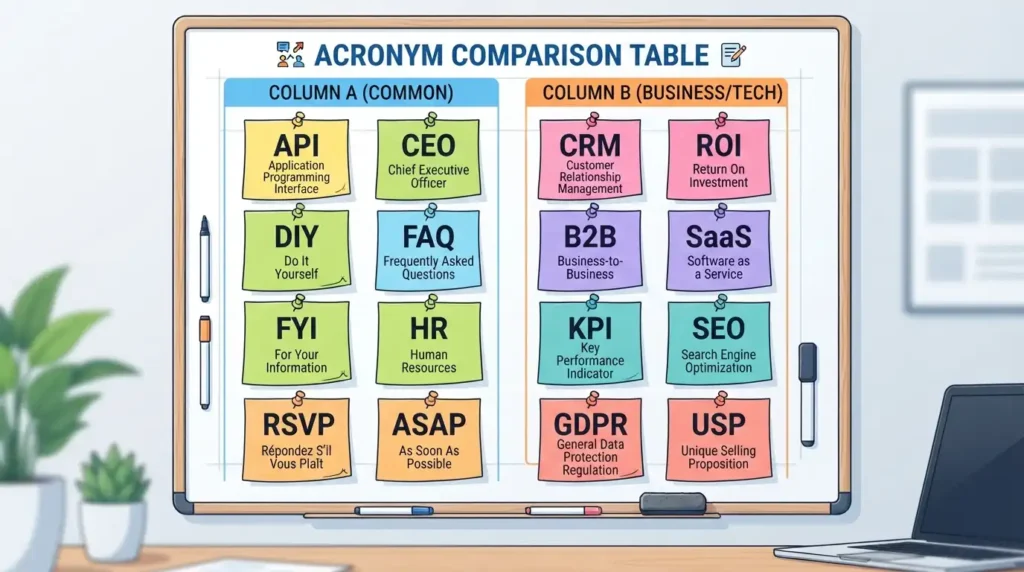
Here is a closer look at how SMF compares with a few closely related acronyms, focusing on key differences in tone and use.
| Term | Core Meaning | Best Used For | Key Difference from SMF |
| SMF | So Much Fun | Reacting to enjoyable events or plans | Broad, general enjoyment |
| BOL | Best Of Luck | Encouragement before an event | Forward-looking, not a reaction |
| HBU | How About You | Asking a question back | Not an exclamation, it’s a question |
| YOLO | You Only Live Once | Justifying a bold or spontaneous choice | Focuses on risk-taking, not enjoyment itself |
| LIT | Exciting, energetic (slang, not acronym) | Describing an intense or hype atmosphere | Stronger, more intense energy than SMF |
SMF vs. LIT is a common point of confusion. Both describe something positive.
YOLO justifies a decision (“I bought the ticket, YOLO”). SMF reacts to an experience after the fact (“That trip was SMF”). One looks forward, one looks back.
Usage in Online Communities & Dating Apps

Gaming communities: SMF appears in post-match chats, Discord servers, and game-specific forums.
Discord chat: “That last match was SMF, ggs everyone”
Twitter/X: Short reactions like SMF fit the platform’s fast-scroll style. It often appears under event recaps, meme threads, or replies to viral posts about weekend plans.
Dating apps (Tinder, Bumble, Hinge): SMF is less common here than on gaming platforms, but it can appear in bios or opening messages, usually describing a past experience or hobby.
Bio: “Concerts, hiking, and anything SMF 🎶” Opening message: “Saw you like trivia nights those are always SMF, right?”
Tips for responding on dating apps:
- Keep it light. If someone uses SMF in their bio or message, mirroring their casual tone works well.
- Ask a follow-up question to keep the conversation moving: “What’s the most SMF thing you’ve done recently?”
- Do not overthink it. It is a small, friendly acronym, not a loaded term. Treat it like any other casual slang.
In all these spaces, SMF works best as a light conversation starter or a quick reaction, not as the centerpiece of a message. It adds tone, not substance.
Hidden or Offensive Meanings
Unlike some short acronyms that carry a hidden or crude second meaning, SMF does not have a widely recognized offensive definition. Its most common use (“So Much Fun”) is entirely wholesome.
That said, a few points are worth keeping in mind:
- Sarcasm changes tone, not meaning. As mentioned earlier, someone might type “SMF” sarcastically to describe something boring or frustrating. This is a tone shift, not a hidden definition.
- Context outside texting differs. In technical or forum-admin contexts, “SMF” refers to software (Simple Machines Forum) or hardware (single-mode fiber). These are neutral, professional meanings with no offensive connotation.
- Individual or inside jokes may exist. As with any slang, small friend groups sometimes invent private meanings for shared acronyms. These are not widespread and would need explanation within that specific group.
Overall, tone and context decide how SMF lands in a conversation. Without added sarcasm markers (like 🙃 or “yeah right”), it reads as sincere and positive.
Suitability for Professional Communication
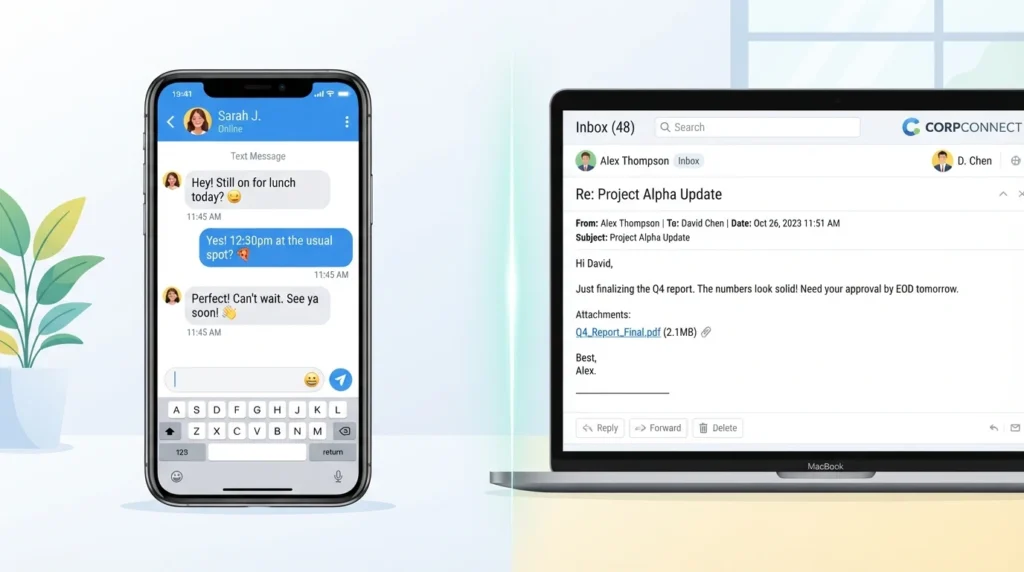
SMF is not well suited for formal professional writing emails to clients, reports, official announcements, or formal presentations. It is too casual and not widely recognized enough to guarantee clear communication.
In more relaxed workplace chats (like an informal Slack channel among a young team), it may occasionally appear without causing confusion. Even then, it works best from person to person who already know each other’s texting style.
Professional alternatives to use instead:
- “That was a great experience.”
- “Really enjoyed that.”
- “Glad it went well.”
- “Sounds like a fun time!”
These phrases carry the same warmth without relying on slang that some coworkers, clients, or supervisors may not recognize.
A simple rule of thumb: if you would not use an acronym in a formal email, save it for texts with friends instead.
FAQs
1. What does SMF mean in a text message? It most often means “So Much Fun,” used to react to something enjoyable.
2. Is SMF the same as LOL or OMG? No. LOL and OMG express laughter or surprise. SMF expresses enjoyment or a good time.
3. Can SMF mean something else besides “So Much Fun”? Yes. In tech contexts, it can mean “Simple Machines Forum” (forum software) or “single-mode fiber” (a networking term).
4. Is SMF offensive or inappropriate? No widely recognized offensive meaning exists for SMF in its texting sense. It is generally a positive, friendly acronym.
5. Should I use SMF in a work email? No. It is too casual for formal writing. Use a full phrase instead, like “That sounds like a great time.”
6. How do I reply if someone sends me SMF? A simple, matching reply works well, such as “Right?? So fun” or “SMF for sure.”
7. Is SMF used the same way worldwide? Not exactly. It is mainly an English-language, internet-based acronym, more common in gaming and casual U.S. texting than in other regions or languages.
Conclusion
SMF is a small but useful piece of text slang. In most casual conversations, it means “So Much Fun,” used to react to good times, fun plans, or enjoyable experiences. It shows up in texting, social media, gaming chats, and occasionally dating apps.
It carries a light, positive tone, with no widely known offensive meaning. Context can shift it toward sarcasm, but its default meaning stays cheerful.Outside of texting, “SMF” also refers to specific technical terms like forum software or fiber-optic cable, so context always matters.
Discover More Article

Hi, I’m Mahgull, a dedicated content writer with 2 years of experience in the meaning niche. I enjoy turning complex words, slang, abbreviations, and phrases into simple, informative content that helps readers understand their meanings clearly and quickly.



2 thoughts on “SMF Meaning in Text (2026): What Does SMF Stand For?<p class="post-updated-date">🕓 <span class="updated-label">Last updated on</span> <time datetime="2026-10-11T05:02:50+00:00">October 11, 2026</time></p><script type="application/ld+json"> { "@context": "https://schema.org", "@type": "BlogPosting", "mainEntityOfPage": { "@type": "WebPage", "@id": "https://outreachnexa.com/smf-meaning-in-text/" }, "datePublished": "2026-09-14T16:00:04+00:00", "dateModified": "2026-10-11T05:02:50+00:00" } </script>”