You see a text or a post. It starts with “PSA:”. Then comes an important message. What does “PSA” mean? Why do people use it so much?
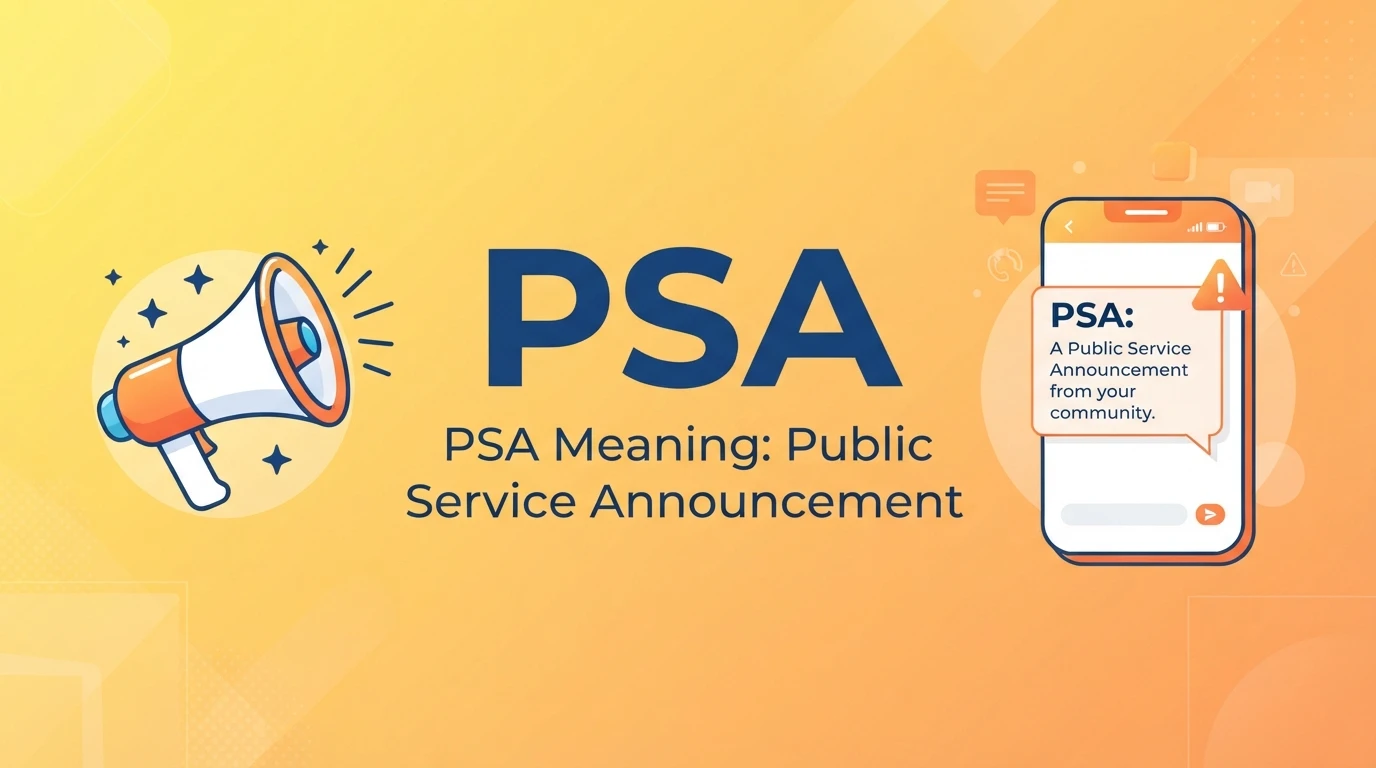
“PSA” stands for “Public Service Announcement.” People use it to share something important. It could be a tip, a warning, or news. You will see it in group chats. You will see it on social media. Gamers use it too. Even coworkers use it sometimes.
This term matters because it helps a message stand out. It tells people, “Pay attention. This is worth reading.” This guide will explain what “PSA” means. It will show you how people use it every day.
PSA Meaning in Text: Definition & Explanation
“PSA” stands for “Public Service Announcement.” In the past, it meant an official message. TV and radio used it to share safety tips or health news. Today, people use it in a simpler way. They use it to flag any useful or fun message.
Example in dialogue:
Friend: PSA: the coffee shop closes early today
You: thanks for the heads up
Here, “PSA” tells you the message is useful. It helps you plan your day.
People also use it for jokes:
Friend: PSA: don’t order the spicy wings
You: noted, thanks for the warning lol
This use is playful. But it still shares real advice.
Sometimes “PSA” carries serious news:
Group chat: PSA: the highway is closed until Friday
You: thanks, I’ll take another road
In each case, “PSA” grabs attention. It tells the reader: this part matters.
Background & History of PSA Meaning
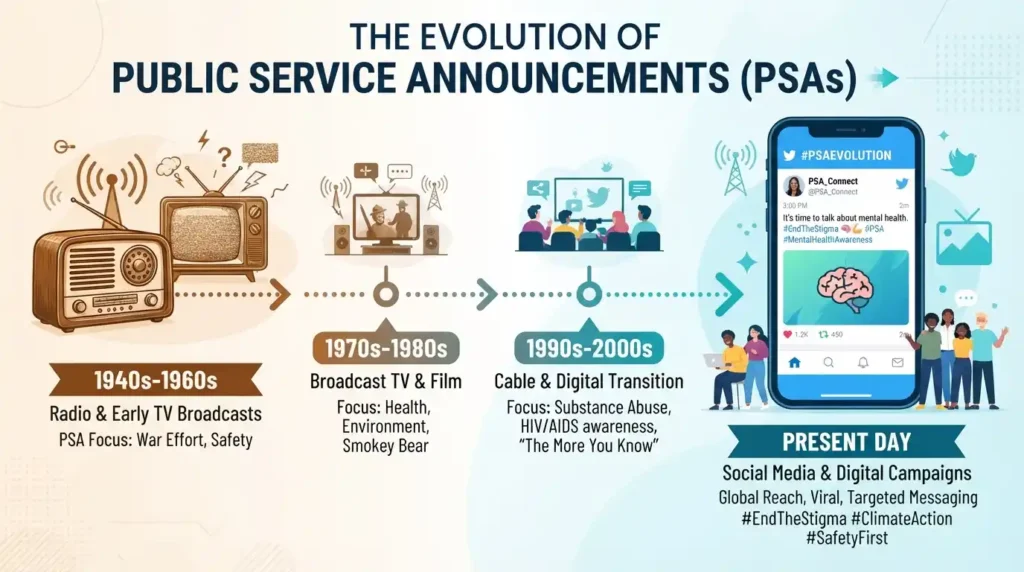
“Public Service Announcement” started with old media. Radio and TV used this term in the 1900s. These messages shared safety tips. They warned people about danger. They also shared health advice.
The internet changed how people used this term. In the 2000s, social media grew fast. People began to use “PSA” in daily talk. They used it for small tips, not just big news.
Twitter helped make “PSA” popular online. People posted “PSA” tweets about many things. Some were helpful. Some were just funny.
Today, you can find “PSA” in many places:
- Group texts with reminders
- Social media posts with tips
- Gaming chats about game updates
- Casual talks between friends
The word started as something formal. Now, it fits into fun, everyday chats too.
PSA Meaning in Text: Usage in Various Contexts
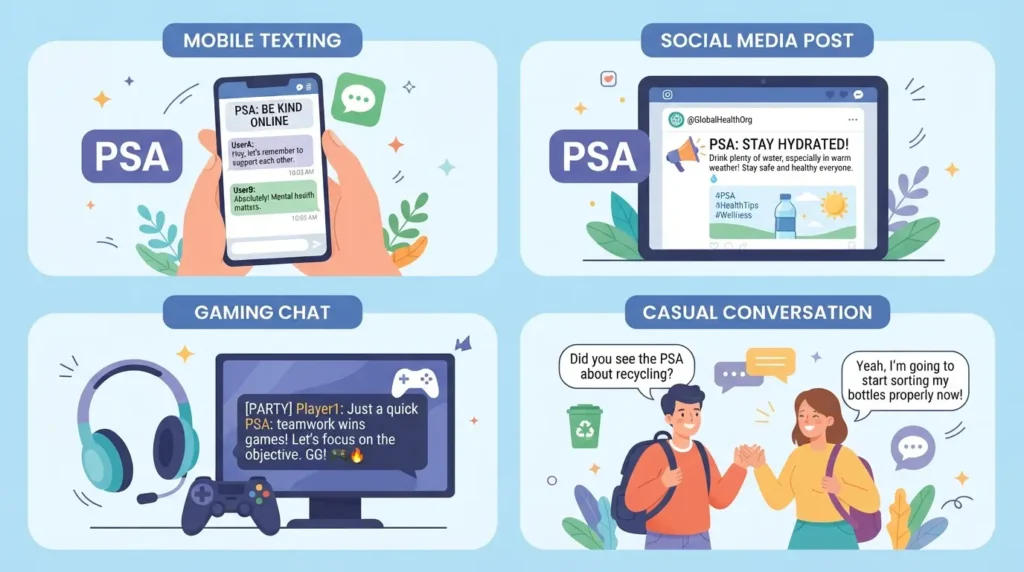
The word “PSA” shows up in many places online.
In Texting
Friend: PSA: don’t forget dinner at 7
You: thanks, almost forgot
In Social Media Posts
A tweet might say: “PSA: daylight savings starts this weekend!”
In Gaming Communities
Player: PSA: the servers are down
Teammate: ah, that explains it
In Casual Group Chats
Friend 1: PSA: new show just dropped
Friend 2: watching it tonight!
In each case, “PSA” makes sure people notice the message. It stops important info from getting lost.
Common Misconceptions About PSA Meaning
Some people think “PSA” is always serious. That’s not true.
Misconception 1: It’s always formal.
Not true. People often use it for jokes or small tips.
Misconception 2: It’s only for warnings.
Wrong. It can share good news too. It can share random fun facts.
Misconception 3: It’s only for social media.
Not correct. People use it in texts and normal talk too.
Clarification: The tone changes with context. Sometimes it’s serious. Sometimes it’s silly. But it always means: “pay attention to this.”
Similar Terms & Alternatives to PSA Meaning
Some words mean almost the same thing as “PSA.” Here’s a quick list:
| Term | Meaning | Tone |
| PSA | Public Service Announcement | Informative, sometimes fun |
| FYI | For Your Information | Plain, neutral |
| Heads up | A quick warning | Casual, direct |
| Reminder | A note about something coming up | Neutral |
| Just so you know | A soft clarification | Friendly |
“PSA” often sounds a bit bigger or bolder. Even in casual use, it still grabs more attention than plain words like “FYI.”
How to Respond When Someone Says PSA in Text
Match your reply to the tone of the message.
Casual Response
“thanks for the heads up!”
Funny Response
“noted, will proceed with caution lol”
Professional Response
“Thanks for sharing, I’ll let the team know.”
Privacy-Conscious Response
“Got it, thanks for letting me know.”
Read the message first. Then pick a reply that fits its mood.
Regional & Cultural Differences in PSA Meaning
People across many countries use “PSA.”
- United States: Very common. Used a lot in jokes and texts.
- United Kingdom: Used the same way, often with dry humor.
- Australia and Canada: Common in daily chats, similar to the US.
- Non-English regions: People often know the term from English media. Local languages may use a formal version instead.
The core meaning stays the same everywhere. But the tone can shift from place to place.
PSA Meaning Compared to Similar Terms
Here’s how “PSA” stacks up against other terms:
| Expression | Main Use | How Formal? | Can Be Funny? |
| PSA | Grabs attention for a message | Medium | Yes |
| FYI | Shares plain info | Low | Rarely |
| Heads up | Gives a warning | Low | Rarely |
| Reminder | Notes something upcoming | Low | Rarely |
“PSA” stands out. It sounds a bit more serious, even in fun chats.
PSA Meaning in Online Communities & Dating Apps
On apps like Tinder, Bumble, or Hinge, people use “PSA” to share fun facts about themselves.
Example:
Bio: PSA: I will talk about my dog more than anything else
On Twitter/X, “PSA” often goes viral. People share tips, warnings, or jokes this way.
In gaming chats, “PSA” often shares server news or game tips.
Tips for responding:
- On dating apps, reply with humor if the “PSA” is playful.
- On social media, a like or comment works well.
- In gaming chats, a quick “thanks” keeps things moving.
Hidden or Offensive Interpretations of PSA Meaning
“PSA” is usually safe and simple. It has no hidden or rude meaning.
Sometimes, people use it for small things, and it can sound funny or over-the-top:
Friend: PSA: I switched from tea to coffee today
You: groundbreaking news lol
This is normal. It’s a joke, not an insult.
Why tone matters: Since “PSA” has no bad meaning on its own, context tells you if it’s serious or just for fun.
Is PSA Meaning Suitable for Professional Communication?
Yes, “PSA” can work in work chats. It helps share updates fast and clear.
Example:
“PSA: the office will close Monday for the holiday.”
This sounds fine at work. It’s short and clear.
Professional alternatives:
- “Important announcement:”
- “Please note:”
- “Quick reminder:”
- “For your awareness:”
Use “PSA” in relaxed work chats. Use the alternatives in more formal emails.
FAQs
1. What does “PSA” mean in texting?
It means “Public Service Announcement.” It flags an important message.
2. Is “PSA” always serious?
No. People use it for jokes too.
3. Can I use “PSA” at work?
Yes, especially for quick updates or reminders.
4. Where did “PSA” come from?
It started with old radio and TV safety messages.
5. Is “PSA” the same on social media and in texts?
Mostly yes. Social media often adds more humor to it.
6. Does “PSA” have a bad meaning?
No. It’s safe and simple to use.
7. Do people use “PSA” outside English-speaking countries?
Yes, especially online, thanks to English social media use.
Conclusion
“PSA” means “Public Service Announcement.” It began as a formal term. TV and radio used it long ago. They shared safety tips and health news this way.
Today, the word has changed. It still means “pay attention.” But now, people use it for many things. Sometimes it’s serious news. Sometimes it’s just a joke between friends. You’ll see it in texts, tweets, gaming chats, and even work messages.
This flexible tone is what makes “PSA” so popular. It fits almost any situation. A friend can warn you about bad food. A coworker can share an office update. A stranger online can share a fun fact. All of them use the same word: “PSA.”
Discover More Article

Hello, I’m Insha, a passionate content writer with 2 years of experience creating clear, engaging, and helpful content. I specialize in the meaning niche, explaining words, slang, phrases, and online terms in simple language that readers can easily understand and use.